
21 Popular Flowers in Japan and How to See Them
527 views
Missing Japan's cherry blossoms by a week can feel absurdly frustrating. You book flights, reserve a hotel, picture yourself under clouds of pink—and then a warm spell pushes the bloom forward, or rain strips the trees before you arrive.
That doesn't mean your flower-viewing trip is ruined.
Japan has spectacular flowers almost year-round. Better still, learning their Japanese names gives you a practical reason to look beyond sakura. You'll start recognizing words on station posters, garden maps, festival banners, and seasonal menus.
This guide takes a language-and-travel angle: 21 popular flowers in Japan, their Japanese names, when they usually bloom, and realistic places to see them.
One warning before you build an itinerary around any flower: bloom dates are estimates, not train timetables. Japan stretches a long way from subtropical Okinawa to snowy Hokkaido, and elevation matters too. The Japan National Tourism Organization recommends checking seasonal information by region rather than assuming Tokyo's flower calendar applies everywhere.
1. Sakura — Cherry Blossoms (桜)
Japanese: sakura (さくら / 桜)
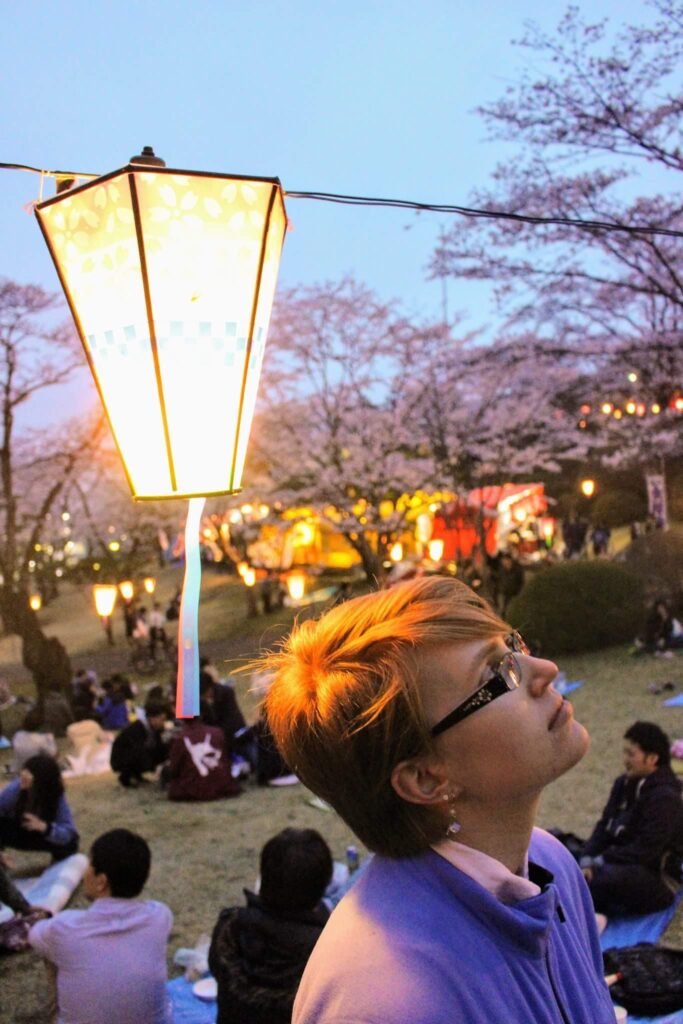
No surprises here. Sakura is Japan's most internationally recognized flower, and hanami (花見), literally "flower viewing," remains one of the country's classic seasonal traditions.
The main bloom generally moves northward through Japan, beginning earlier in southern regions and reaching Hokkaido later. Exact timing changes each year. JNTO's regional forecasts have historically placed the broader viewing period from around mid-March into May, depending heavily on location.
Where to see it: Hirosaki Park in Aomori, Mt. Yoshino in Nara, Chidorigafuchi in Tokyo, or Goryokaku in Hakodate.
For a language learner, remember:
桜が咲きました。 (Sakura ga sakimashita.) — The cherry blossoms have bloomed.
満開 (mankai) — Full bloom.
花見 (hanami) — Flower viewing.
2. Ume — Plum Blossoms (梅)
Plum blossoms are often mistaken for cherry blossoms. It happens.
Ume usually arrives earlier, roughly from February into March, and many varieties have a noticeably stronger fragrance. That makes a plum garden feel different from sakura viewing: less picnic blanket, more quiet wandering with your nose doing some of the work.
Kairakuen Garden in Mito is one of the best-known destinations, while Tokyo's Hanegi Park is another reliable name to know.
3. Fuji — Wisteria (藤)
Wisteria is where Japan starts showing off.
Long clusters of purple, white, pink, and sometimes yellow flowers hang from carefully trained vines. The visual effect can be almost theatrical, particularly when the flowers are illuminated after dark.
Ashikaga Flower Park in Tochigi is the famous choice. It has wisteria grown on overhead structures, and one tree there is reported by JNTO as about 160 years old. The park is also extremely convenient by rail: Ashikaga Flower Park Station is roughly a three-minute walk away.
Typical season: Late April to mid-May.
Another famous option is Kawachi Fujien Wisteria Garden in Fukuoka.
4. Shibazakura — Moss Phlox (芝桜)
Despite the name, shibazakura isn't a cherry blossom.
The word combines shiba (芝, turf or lawn) and sakura because the tiny flowers create pink carpets across the ground. It's a useful vocabulary reminder that Japanese compound words aren't always literal botanical classifications.
Visit Hitsujiyama Park in Saitama during the usual mid-April to late-May window.
5. Nemofira — Nemophila (ネモフィラ)
Yes, the Japanese name is basically a Japanese rendering of "nemophila."
Millions of delicate blue flowers can turn entire hillsides into what looks like a slightly edited photograph. At Hitachi Seaside Park in Ibaraki, nemophila is one of the signature spring displays, typically peaking between mid-April and late May depending on conditions.
Useful word: aoi (青い) means blue.
Simple. Memorable.
6. Nanohana — Rapeseed Blossoms (菜の花)
Bright yellow nanohana fields are one of Japan's earliest big splashes of spring color.
The name appears everywhere in seasonal food culture too, so you might encounter nanohana on a restaurant menu before you see it in a field.
Nokonoshima Island near Fukuoka is one well-known viewing destination, while JNTO also lists rape blossoms among seasonal attractions across several regions.
7. Tulip — Tulips (チューリップ)
Japanese: chūrippu
The word sounds close enough to "tulip" that beginners can often recognize it immediately.
Tonami Tulip Park in Toyama is a major destination, with JNTO noting displays involving around three million bulbs.
Typical season: April to early May.
8. Tsutsuji — Azalea (ツツジ / 躑躅)
Japanese gardens can turn almost aggressively colorful during azalea season.
Mt. Katsuragi, on the Osaka–Nara side of the country, is a particularly famous destination. JNTO also highlights azalea viewing in locations including Miyagi and Tochigi.
The kanji 躑躅 is one of those characters you don't need to panic about. Most learners will encounter tsutsuji written in katakana or hiragana.
9. Bara — Rose (バラ)
Roses aren't uniquely Japanese, obviously, but rose gardens are popular throughout the country.
Ashikaga Flower Park, Gunma Flower Park, and several other major gardens feature roses during their seasonal rotations.
Japanese: bara.
10. Botan — Peony (牡丹)
Peonies carry a particularly luxurious image in Japanese art and design.
Look for botan displays in temple and specialty gardens during spring. Tochigi's seasonal flower calendar, for example, lists peonies among its spring attractions.
A useful cultural note: 牡丹 is common enough in art, textiles, and traditional motifs that recognizing the word can pay off outside the garden.
11. Ajisai — Hydrangea (紫陽花)
Rain. Humidity. Wet shoes.
Japan's rainy season isn't everyone's favorite travel period, but ajisai gives you a very good reason not to dismiss it.
Hydrangeas generally bloom from late spring into summer, often around temple grounds and garden paths. Kamakura is a classic choice, particularly Meigetsuin and Hasedera, while JNTO also recommends locations such as Hattori Hydrangea House in Chiba.
Their color can vary with soil conditions, which is part of the fun.
12. Hasu — Lotus (蓮)
The lotus is strongly associated with Buddhist imagery in Japan.
For a large-scale experience, the Joetsu Lotus Festival in Niigata is worth knowing about. JNTO describes the area's lotus display as one of the world's substantial lotus ponds.
Go early if possible. Lotus flowers often look their best in the cooler morning hours.
13. Ayame — Iris (菖蒲 / アヤメ)
Japanese flower vocabulary gets messy here because several iris-like flowers can be described with names such as ayame, shōbu, and kakitsubata.
That's the sort of detail a literal translation app won't explain.
For viewing, Suigo Itako Iris Festival in Ibaraki is a major option listed by JNTO.
14. Rabendā — Lavender (ラベンダー)
Hokkaido and lavender go together beautifully.
Farm Tomita in Furano is the obvious headline destination, with July generally being a key period for the purple fields. JNTO also highlights Shikisai no Oka and other Hokkaido flower landscapes.
15. Himawari — Sunflower (向日葵)
The Japanese word is wonderfully visual.
Himawari roughly evokes a flower that turns toward the sun.
Hokuryu Sunflower Village in Hokkaido is famous for huge summer displays; JNTO cites around two million sunflowers there.
Typical season: July to August.
16. Popī — Poppy (ポピー)
Poppies bring bright reds, oranges, whites, and pinks to late spring and early summer flower parks.
They're less culturally dominant than sakura, but that's partly why they're enjoyable. You won't spend the entire trip fighting cherry-blossom crowds.
Hitachi Seaside Park and flower destinations in Tochigi are among places with seasonal poppy displays.
17. Kosumosu — Cosmos (コスモス)
Cosmos is a classic sign that autumn has arrived.
The Japanese pronunciation, kosumosu, is easy to remember, and broad fields of pink, white, and red flowers appear in places such as Tonami Yumenotaira in Toyama and Hitachi Seaside Park.
Typical season: September to October.
18. Higanbana — Red Spider Lily (彼岸花)
Few flowers look more dramatic.
Higanbana produces narrow, curling petals that seem almost too elaborate to be real. The name refers to higan, a Buddhist observance around the equinox.
These flowers are strongly associated with early autumn. Hitachi Seaside Park's seasonal guide also lists red spider lilies among its displays.
19. Kochia — Kochia (コキア)
Strictly speaking, this one is a plant attraction rather than the conventional "flower" people picture when making a floral itinerary. Still, it belongs on the list because Japanese flower parks have made it hugely popular.
At Hitachi Seaside Park, thousands of rounded kochia plants shift from green to vivid red as autumn approaches. The park's guide lists approximately 40,000 plants.
It's one of those Japan travel moments where the color matters more than the blossom.
20. Tsubaki — Camellia (椿)
Camellias brighten the colder months, which makes them particularly useful if you're visiting outside the classic spring season.
Izu Oshima hosts a camellia festival, while Goto in Nagasaki is another area strongly associated with the flower. JNTO notes that camellia seed oil is also used in cosmetics.
21. Suisen — Narcissus (水仙)
Narcissus and daffodil displays can help fill the awkward gap between autumn foliage and the first major spring blooms.
You'll see suisen listed in Japanese garden calendars, including seasonal information for Hitachi Seaside Park.
Winter flower hunting in Japan is quieter. That's a feature, not a flaw.
How to Actually Catch Japan's Flowers at the Right Time
Don't book around a single static blog calendar. That is the mistake.
Instead:
Choose your region first. Hokkaido, Tokyo, Kyoto, Kyushu, and Okinawa can have dramatically different bloom schedules.
Check official local updates two to four weeks before traveling. JNTO's seasonal flower pages are a good starting point, and individual parks often publish current bloom status.
For famous destinations, build a backup plan. If the wisteria is past its peak, visit a museum, temple, or nearby town rather than treating the whole day as a loss.
That flexibility saves trips.
A Quick Japanese Flower Vocabulary Cheat Sheet
Japanese | Meaning | You'll See It On |
|---|---|---|
花 (hana) | Flower | Signs, gardens, festivals |
花見 (hanami) | Flower viewing | Event notices |
桜 (sakura) | Cherry blossom | Forecasts and menus |
梅 (ume) | Plum | Gardens and seasonal sweets |
藤 (fuji) | Wisteria | Park maps |
紫陽花 (ajisai) | Hydrangea | Temple displays |
満開 (mankai) | Full bloom | Bloom reports |
見頃 (migoro) | Best viewing period | Extremely useful travel word |
開花 (kaika) | Flowering / bloom opening | Forecasts |
散り始め (chiri-hajime) | Beginning to fall | The annoying one |
If you learn only one word before your trip, make it migoro (見頃). It tells you a flower is at, or near, its best viewing period.
FAQs About Popular Flowers in Japan
What is the most famous flower in Japan?
Cherry blossoms, or sakura, are the clear answer. They are strongly associated with spring, hanami, and the idea of life's fleeting beauty.
Can you see flowers in Japan outside spring?
Absolutely. Hydrangeas and lavender are major summer attractions; sunflowers peak later in summer; cosmos and kochia define parts of autumn; camellias and plum blossoms brighten winter and late winter.
What is the best month for flower viewing in Japan?
There isn't one universal answer. April and May offer enormous variety, but July is excellent for lavender and sunflowers, while September and October bring cosmos and autumn kochia.
How far in advance should I plan around cherry blossoms?
Plan accommodation and transport early, but don't expect exact bloom dates months ahead. Check updated regional forecasts as your trip approaches, because weather can shift flowering schedules.
What Japanese phrase should I use to ask if flowers are blooming?
Try 今、花は咲いていますか? (Ima, hana wa saite imasu ka?) — "Are the flowers blooming now?"
For a specific flower, replace hana with the name: 桜は咲いていますか? — "Are the cherry blossoms blooming?"
Start Planning by Season, Not by a Bucket List
Sakura deserves its reputation. No argument there.
But Japan gets much more interesting once you stop treating cherry blossom season as the only acceptable time to visit. A February trip can mean fragrant ume. June can mean temple paths covered in ajisai. July might put you among Hokkaido lavender fields, while autumn brings kosumosu, higanbana, and red kochia hills.
Pick the month you can realistically travel. Then learn the Japanese names of the flowers waiting for you.
Your itinerary—and your vocabulary—will grow from there.
flowers in Japan
popular Japanese flowers
Japanese flower season
flowers to see in Japan
Japan seasonal flowers
cherry blossoms
Japanese gardens
travel Japan
Found this helpful? Share it!