

Language Fluency

Guest Post

14 articles in this category — All Articles

How to Say Friend in French
Guest Post

How to Say Friend in French

The most common word for “friend” in French is ami. As with every other French noun, ami also has masculine and feminine forms — un ami is a male friend and une amie is a female friend. Similar to how “buddy,” “pal,” or “mate” also mean friend in English, French also has other words for friend. For example, for your male friends, you…
Read more
French Imparfait: Uses, Conjugations, and Examples
Guest Post

French Imparfait: Uses, Conjugations, and Examples

Imparfait is the French imperfect tense, and you’ll hear it often in daily life. It’s used for ongoing actions in the past, similar to the English past continuous tense, such as “I was doing,” “I was going,” and “I was studying.” But that’s not it — it can also mean “to be used to” depending on…

Read more
French Subjunctive Explained: What Is It and How to Practice It
Guest Post

French Subjunctive Explained: What Is It and How to Practice It

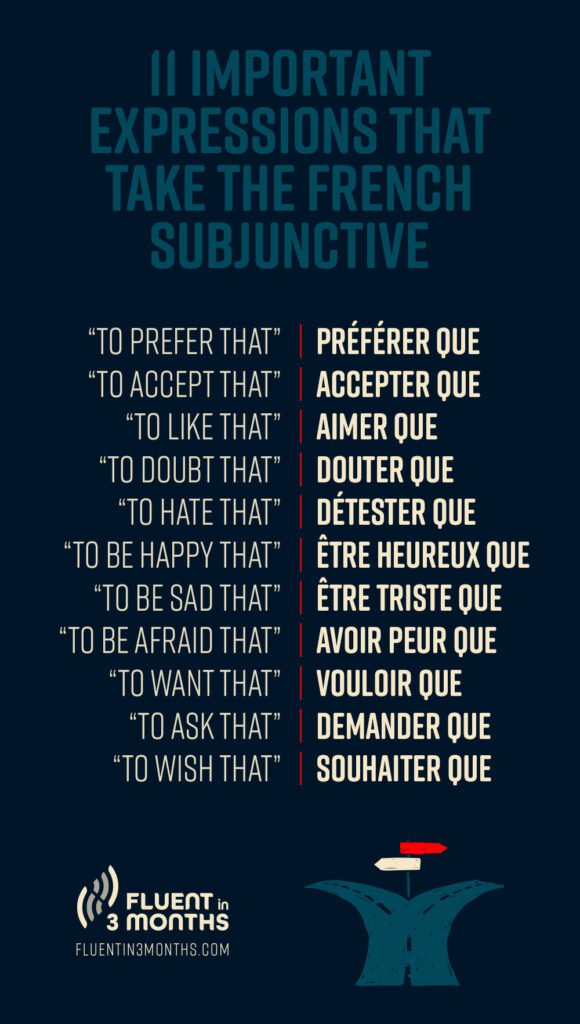
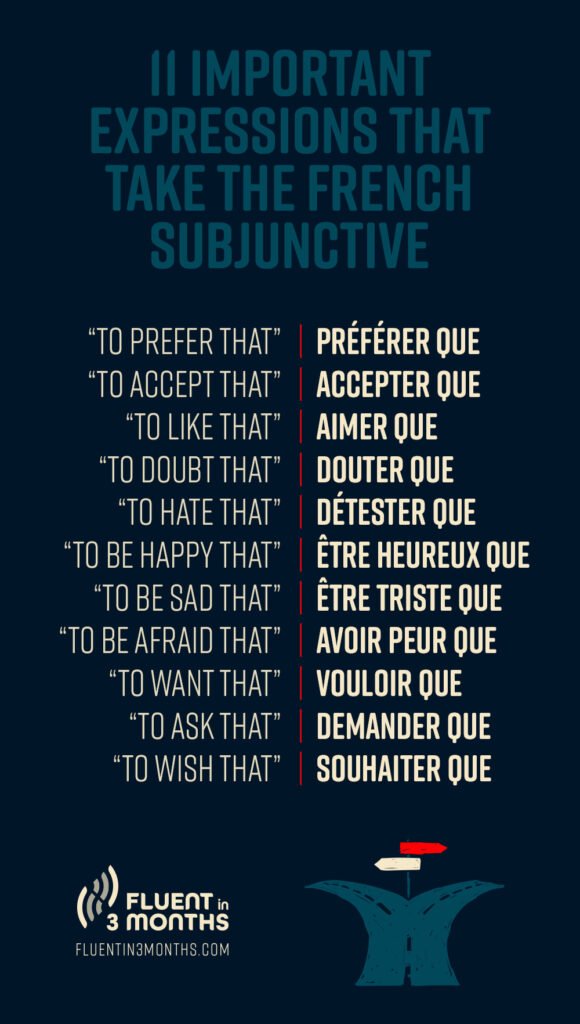
Le subjonctif, or the “French subjunctive” can be tricky. Is it a tense? Not really. Is it conjugated like the tenses? Yes, we can say so. But what is it? The most appropriate way to define the subjunctive would be that it’s a verb mood. It’s used to express some feelings, such as uncertainty, emotion, doubt,…

Read more
Japanese Sentence Structure
Guest Post

Japanese Sentence Structure

First things first: To sound fluent in Japanese, you’ll need to master Japanese sentence structure. Now, a language like Japanese might seem really difficult at first (especially to English speakers!), but don’t worry – it’s a very logical language! And I should know – I’ve been learning Japanese since I was an early teenager, lived…

Read more
Guest Post

How to Say Thank You in Turkish

There are several different ways of saying “thank you” in Turkish — the mainstream teşekkür ederim, the informal sağ ol, and even elinize sağlık, a special phrase used when thanking someone for a meal! Teşekkür ederim works in all cases, but learning about the nuances of different ways to say thanks in Turkish will get you one step closer to fluency. As a Turkish…

Read more